Intestinal blockages, or bowel obstructions, are not uncommon for people with IBD or a stoma. Understanding why they happen and knowing how to manage them is crucial. Let’s delve into the reasons behind these blockages and explore what you can do when you experience one.
Causes of bowel obstructions
Several factors can contribute to bowel obstructions. These include undigested food, active inflammation, or strictures (narrowings) caused by scar tissue and/or adhesions. Adhesions are akin to scar tissue that attaches the intestine to nearby organs or itself. While surgery often results in these adhesions, diseases like Crohn’s disease and ulcerative colitis can also be culprits.
Preventing bowel obstructions: a lifestyle approach
Incorporating measures to avoid blockages into daily life really can help. Habits like eating small, frequent meals, maintaining hydration, and chewing food thoroughly can drastically reduce the risk of bowel obstructions.
Distinguishing between complete and partial blockages
Understanding the difference between a complete and partial bowel obstruction is really useful. A complete obstruction results in nothing coming out at all. A partial obstruction allows the passage of small amounts of loose stool, whilst solid waste struggles to get past the blockage.
Recognising symptoms of bowel obstruction
Symptoms and the onset of a blockage will differ depending on how much intestine you have, and whether you have an ileostomy, colostomy, Jpouch, slow motility ect. Although the onset may differ. Key indicators include:
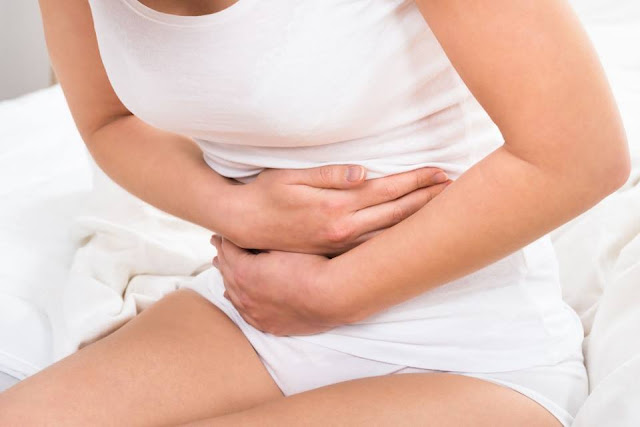
- Abdominal cramps, potentially localised to the blockage site
- Absence of stool/stoma output, or watery output/stool in partial obstruction
- Abdominal distension, characterised by bloating and swelling
- A swollen stoma (if you have one)
- Nausea and/or vomiting.
- Dehydration
Strategies for managing bowel obstructions at home
While seeking professional medical assistance may ultimately be necessary, there are some things you can try at home first:
- Cease solid food intake: stop consuming solid food immediately.
- Hydration: a warm drink may help stimulate and relax the intestine. A fizzy drink may help push the blockage along. Oral rehydration solution can help maintain hydration without excessive fluid intake.
- Heat: a soak in a warm bath for 15-20 minutes may relax abdominal muscles. If you can’t get in the bath, try a hot water bottle/wheat bag.
- Abdominal massage: gently massage the abdomen, focusing on the blockage site. Circular motions with the fingertips or a rolling motion from side to side with your fist can be effective. You could even do this whilst in the bath.
- Movement: If you can, a brisk walk may help get things moving. A position that may also help is lying on your back with your knees up to your chest. Roll from side to side for a few minutes. Adjust ostomy bag (if you have one): if your stoma is swollen, switch to a fresh bag with a larger opening.
It’s important to note that responses to these strategies vary, and what works for one person may not work for another. If home attempts prove unsuccessful, prompt hospital consultation is advised, particularly if you have a colostomy (within 2 hours) or an ileostomy (within 6 hours). The hospital can treat dehydration much easier, and there is a genuine possibility of bowel rupture if you leave it for too long.
Personal Insights into bowel obstructions
The typical progression of symptoms for me involves a decrease in output followed by intense abdominal cramps at the blockage site. This is followed by abdominal distension, a swollen stoma, and finally, vomiting. For me, vomiting is the point I know I must go to the hospital.
The vomiting can be distressing, especially if food has been partially digested before it comes back up (faecal vomiting). I know my saying “don’t worry” is not really helpful, but I want you to know that it’s not that abnormal in this circumstance, as food has often made its way through part of the intestine already.
Dehydration can quickly become a problem, so staying hydrated is always high up on my list of priorities. Sipping on oral rehydration solution, taking a warm bath, and abdominal massages are part of my routine.
While fizzy drinks don’t work for me, some people find them helpful. I’ve seen lots of posts from people who say a fizzy drink is their initial go-to for bowel obstructions, because it tends to be what works for them the fastest. Personally, I find they increase my abdominal cramps and distension, but that happens to me when I have anything carbonated anyway.
After a blockage, my abdomen and intestine can remain sensitive/sore for about a week, prompting a shift to softer, easily digestible foods while my intestine recovers from its ordeal!
If you have additional tips or insights to share, I’d love to hear them! Let me know on social media – @sahara88uk.
 Sahara Fleetwood-Beresford | Patient Advocacy
[…] sit intestinal blockages out at home and go through my checklist of things to help it pass. This is because I don’t trust the hospital to look after me. I’ve had too many […]
LikeLike