Sexual relationships after you’ve had a stoma formed can feel complicated. It’s not just about the physical changes but also the emotional ones. I spoke with others in the community to make this post as inclusive and helpful as possible. Everyone’s experience is unique, and I hope our shared insights might provide some reassurance or guidance for anyone facing similar worries.
We covered everything – initial concerns, practical challenges post-surgery, and how we’ve learned to overcome them. Nothing was off-limits, so let’s dive in.
Meet the contributors
Here’s a quick introduction to the people I spoke with, including relevant details like gender and sexual preferences for context in the quotes that follow:
- Andy: A heterosexual male with an ileostomy and his rectum intact.
- Dave: A bisexual male with a colostomy and no rectum. Dave also uses a wheelchair due to a double below-the-knee amputation caused by spina bifida.
- Mr. X: A polyamorous heterosexual male with an ileostomy and no rectum (name anonymized for privacy).
- Chris: A gay male with an ileostomy and no rectum.
- Brandon: A heterosexual woman with a colostomy and no rectum.
- Sarah: A lesbian woman with an ileostomy and her rectum intact.
- Me: A heterosexual female with an ileostomy and no rectum.
Initial concerns about sex after stoma surgery
When it comes to resuming intimacy, it’s important to take your time and only proceed when you feel ready. Rushing into it can cause distress, which might lead to longer-term anxiety around sex. A stoma can have a big impact on body confidence – you might feel shy, awkward, or embarrassed. It’s a huge learning curve, and it’s okay to struggle.
If you’re struggling emotionally, please reach out to your stoma nurse, GP, or community support group. If you need more urgent help, you can find a local NHS urgent mental health helpline (England only) here, or you can call the Samaritans 24/7 helpline on 116 123.
I felt a little awkward when I first got my current stoma. For 18 months pre-surgery, there was very little sexual activity. This was due to daily pain, chronic fatigue, and the impact that a really long flare of pouchitis had had on my mental health. After surgery, because it had been so long, it felt a bit weird. Like I didn’t really know how to initiate it anymore. I couldn’t remember what we used to do! I was very aware of my bag at first. I thought it was very prominent, and it bothered me.
Andy shared a similar experience: “I didn’t want my fiancée to see me naked. I felt incredibly self-conscious.”
Chris faced different challenges: “It felt like I was losing half my sexuality as a gay man. I could no longer bottom. I was scared to have sex again and worried men would turn me away because of my bag.”
For Sarah, a supportive partner made all the difference: “My wife gave me comfort from day one. She reassured me that she’d love me whether I had a bag or not. That helped me feel confident.”
Challenges in the bedroom
Sex doesn’t always go to plan, especially when you’re navigating a new reality with a stoma. Vaginal dryness and erectile dysfunction are common issues, sometimes psychological, sometimes physical. Don’t hesitate to speak to your GP or stoma nurse if you’re worried.
In my case, the empty space in my abdomen has led to a tilted cervix, which makes certain positions uncomfortable. What worked one day might not work the next, which can be frustrating. And oral sex? Let’s just say that when my bag’s folded, it sometimes pokes my partner in the eye. He insists he doesn’t notice, but I’m not sure I believe him!
Brandon also faced physical hurdles: “The absence of my rectum and a previous hysterectomy completely changed my pelvic floor. But post-surgery, things actually improved once we got past the initial learning curve. Before, I had seton drains that made sex uncomfortable. Now, we’ve figured out the right angles, and communication has been key.”
Mr. X found humor helped him adapt: “The crinkling sound of my bag during sex used to embarrass me, but now I just laugh it off. Wearing a tight t-shirt with new partners helped at first, but that soon came off! I’m just grateful for a second chance at life after cancer, so I try to embrace everything.”
Dave spoke about the challenges of disclosure: “Telling potential partners about my stoma has always been tricky. Men tend to take it in stride, while women ask more questions. It’s all about finding the right time to explain.”
Chris echoed this sentiment: “I try to have the conversation beforehand, especially with new relationships. But honestly, with casual hookups, I’ve forgotten to mention it at times, and some people didn’t even notice!”
Overcoming barriers
I think it’s important to remember to take things slowly. Keep communicating with your partner and remember that intimacy doesn’t have to mean penetrative sex.
For me, time was the greatest healer. As I regained some of the weight I’d lost, my bag felt less prominent, and I became more comfortable. My partner always reassures me when I start getting stressed that every position is not working this time, and he manages to stay calm. He is more than happy to switch to non-penetrative sex instead. We usually laugh about how disastrous it was afterwards!
Brandon emphasized the importance of open dialogue: “At first, I was frustrated when things didn’t work, but my husband and I talked through it. Communication helped us discover new ways to make things work.”
Dave shared how life modeling helped his confidence: “Posing as a life model helped me get comfortable with my body, scars and all. It was a huge step in accepting myself.”
Chris found peace with his new reality: “Some gay men are bottoms, some are tops, and some are versatile. I used to be versatile, but now I’m exclusively a top. It wasn’t as jarring a transition as I feared.”
Top tips for sex after stoma surgery
I asked, what would be your top tips for someone worried about sex after surgery?
Mr. X: “Don’t overthink it. Yes, you might need to adapt, but remember why you had the surgery. Sex boosts your mood and aids recovery—it’s worth it!”
Andy: “Trust your partner when they say the stoma doesn’t matter. Enjoy your life.”
Brandon: “Talk through your fears. It builds intimacy and helps you find what works.”
Dave: “Open communication is crucial. Address concerns together.”
Chris: “Be bold. Try new things and embrace what works for you.”
Sarah: “If a partner has an issue with your stoma, that’s their problem, not yours. You deserve love and respect.”
Final thoughts
Building confidence takes time and having those initial conversations, especially with someone new, can seem really daunting. Sometimes, it’s simply a case of practice makes perfect. The more conversations you have, the easier it gets. The same with actually having sex and figuring out what works and what doesn’t. When I was dating with my ileostomy, I chose to be upfront about it from the start. I didn’t want to waste my time going on dates if my stoma was going to be an issue for them.
If your bag bothers you and you think you’d be more comfortable keeping it covered and flat, it’s worth considering using waistbands or ostomy intimacy underwear. I just make sure my bag’s empty and fold it in half. Mine has Velcro to keep it folded, but hair grips and paper clips work too!
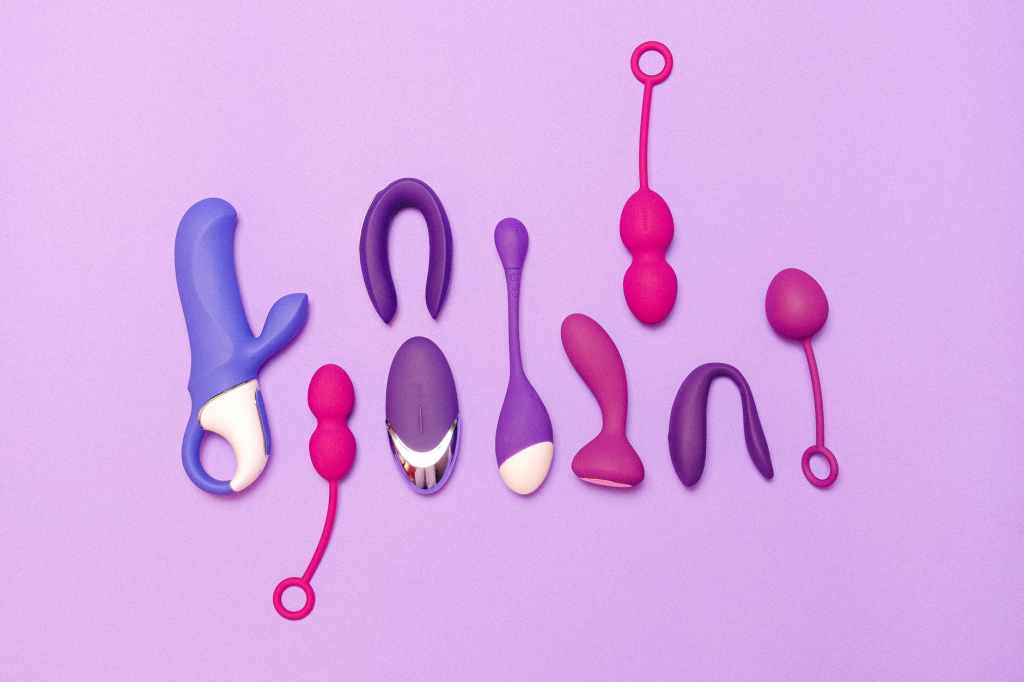
To summarise, open communication is key, and don’t be afraid of change; oral sex, lubricants, sex toys, different positions etc can all be part of a healthy intimate relationship. So can cuddles and holding hands!
It’s important to note that the stoma opening should never be used for penetrative sex. This could lead to infections, or even further surgery.
I’d like to thank my fellow ostomates for sharing so openly with me, and I really hope this article proves to be useful for others with similar concerns.
 Sahara Fleetwood-Beresford | Patient Advocacy
[…] ostomy wraps to keep the bag flat, rather than high-waisted underwear. They’re also useful during sexual activity to keep everything out of the way. You can find a variety of colours and fabrics on Amazon and […]
LikeLike