Most of you will know by now that I have had a stoma formed on three different occasions. Two were emergency and one was elective (planned). The experiences differed a lot.
When you need emergency surgery, you don’t have much time to get your head around things. I love to plan and be organised. I love a list! So, when that time to process is removed, things can feel really stressful.
Sometimes, people live with conditions for years before they need surgery, and they know it’s a possibility. They might have little knowledge about it or a lot. But they have some. For others, there is no condition, or the diagnosis and surgery are very close together.
For me, I was diagnosed with ulcerative colitis after being admitted to the hospital, and all I knew was what I’d read in a pretty brief booklet given to me at the time. Stoma surgery was not even thought about, but then I was told I needed to have it, immediately. This was 2007, so I didn’t have the internet in my pocket. I don’t really remember how much the stoma nurse told me that came to see me and mark up my belly. I don’t know if that’s because she didn’t tell me a lot, or whether I just wasn’t taking it in. To be honest, I was just so desperate to feel better and for the pain to go away, that I didn’t feel any fear. I just wanted them to get on with it, but I had no understanding of what living with a stoma really involved.
Even in an emergency situation, you will still usually get to see a stoma nurse in advance. These days, they can provide you with handy little kits so that you can wear a fake stoma, and experience changing bags in advance.
Anyway, this blog is about recovering from surgery, so let’s get to it!
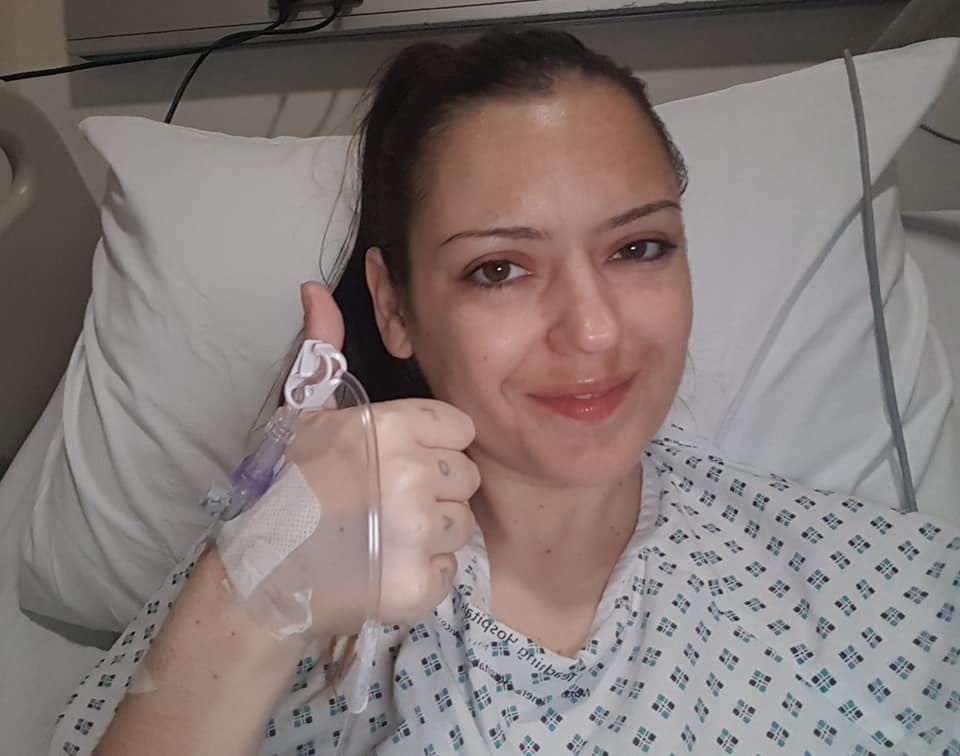
In the hospital
Seeing your stoma for the first time might be overwhelming. It definitely was for me! Although, I think I was more distressed by the stitches holding it in place!
The stoma nurse will usually change your bag for you initially, and then later watch you change it yourself. This can be really daunting, but it’s important to show that you can do it by yourself before you go home. Bag changes get quicker the more you do them.
Getting up and about is important, but it’s also important not to push yourself too much. You may be visited by physiotherapists who will ensure that you’re moving around safely. The first few days after surgery are about getting the pain under control and the healing underway. You should also be shown how to support your abdomen if you need to cough or sneeze. May also be useful for laughing! You might be surprised when you realise how much you actually use your stomach muscles. Lifting things, opening doors, and even raising your legs!
Hopefully, your hospital will have a menu specifically for people who have undergone bowel surgery. Generally, diet after surgery is low fibre. This just gives things time to settle down and should cause less irritation as food passes through your swollen intestine. It’s not abnormal to have less of an appetite and to lose a little weight. Don’t worry. Your appetite and weight will return to normal, and after the healing period, you should be able to eat most foods. Just eating a little bit of what you fancy in those early days will make all the difference in increasing weight and appetite.
It’s also worth noting that these changes can make the bag feel more prominent. When your weight is settled and you’ve figured out what underwear works for you etc, you should begin to feel more comfortable with your new accessory!
Complications
Complications happen, and sometimes, they are unavoidable. I have personal experience of both sepsis and C-diff, and my intestine usually reacts badly to being handled, so post-op ileus is common for me. That said, most surgeries and recovery periods whilst in hospital will go without a hitch! We are all different. I wish I could tell you exactly what will happen and when, but I can’t.
Note: You may experience more leaks in those very early days. Don’t worry! This does not reflect a normal ostomy life going forward!
When you get home
Once you’re home, you’re basically just continuing the journey you began in the hospital. Gradual increase in exercise is important – check out Fittleworth’s Simple Steps guide for recovery exercise advice. Rest, eat, drink, and gradually reduce pain relief. Don’t forget to use your stoma nurse if you have any issues at all. That’s what they’re there for, and there’s no question that can embarrass them! All problems with bags, skin, and output have solutions, so don’t be too worried that you’re going to have to put up with these things.
This is the perfect time to get yourself clued up on life with a stoma. There’s going to be lots of “firsts”; a first meal out, first holiday etc, and it’s natural to be a little anxious about them! There’s lots of information available online, and I’m going to link some good resources for you below.
Education and support
Body confidence 1 | Body confidence 2
You might also feel like you need additional support from people who have lived it. If that’s the case, pop on over to the IBDSuperHeroes Facebook group.


[…] your stoma was an emergency and now you feel like you’re in at the deep end, fear not! Check out recovering from emergency stoma surgery, which I wrote […]
LikeLike